welcome to furPedigrees
(970) 602-7110
We ar approachable and always happy to help
exotic animals for sale
Capybara, Cavies, Bushbabies, Squirrel Monkeys, Wallabies
Patagonian Cavies (or Maras) and Capybaras are both large South American rodents, related to guinea pigs, but differ greatly in appearance and lifestyle: Cavies are fast, deer-like land runners in arid grasslands, while the giant
Capybara is semi-aquatic, spending time in water with its massive, barrel-shaped body, with Cavies being the second-largest rodent after the Capybara.
Since capybaras and cavies are pack animals, it is ideal to have more than one pup ,which is best for their wellbeing in captivity.
Squirrel monkeys are small, intelligent primates native to the tropical rainforests of Central and South America. They are highly social and live in large troops that can range from 30 to over 500 individuals .
Bushbabies also known as galagos are small, nocturnal primates found throughout sub-Saharan Africa. They are named for their distinctive, childlike wailing cries
Wallabies are small to medium marsupials, smaller relatives of kangaroos, known for powerful hind legs for hopping, large tails for balance, and herbivorous diets of grasses and roots, with babies (joeys) developing in a pouch after a short gestation, often undergoing embryonic diapause.
Baby Capybara
Capybaras require plenty of grass, cover and room. They do make excellent pets for paddocks and grassy enclosures, they are naturally inquisitive animals and become very tame.
 BREED: / Capybara
SEX: / Males/Females
AGE: / From 6-12 Weeks
HEALTH CHECK: / 100% Completed before departure.
PRICE
Male $500.00 / Female $1,200.00 / Pair $1,700.00
Pickup available or nationwide delivery.
Capybaras are 50-130 centimeters long and weigh around 25-80 kilograms. They prefer to live in groups.
We usually have Capybaras for sale, Interested, please fill the form below.
Baby Patagonian Mara
Here our Cavies are kept in half acre, 3 - 4 acre paddocks depending on breeding projects and mob numbers. We provide as much grass as physically possible with areas of shrub and woodland.
 BREED: / Patagonian Mara
SEX: / Males/Females
AGE: / From 6-12 Weeks
HEALTH CHECK: / 100% Completed before departure.
PRICE
Male $400.00 / Female $500.00 / Pair $900.00
Pickup available or nationwide delivery.
Patagonian Cavies can reach 25-35 lbs and up to 2 1/2 feet long.. They prefer to live in groups.
Interested, please fill the form below.
Baby-Bushbabies
 BREED: / Bushbabies
SEX: / Males/Females
AGE: / From 8 Weeks
HEALTH CHECK: / 100% Completed before departure.
PRICE
Male $800.00 / Female $1,500.00 / Pair $2,300.00
Pickup available or nationwide delivery.
Bushbabies are nocturnal, prosimian "night monkeys" with huge eyes for dark vision, leaping ability, and distinct cries, feeding mainly on insects and tree sap, highlighting differences in continent, activity, and evolutionary branch despite both being small and arboreal.
We have 2 babies for sale, Interested, please fill the form below.
Baby-Bennett's Wallaby
 BREED: / Bennett's Wallaby
SEX: / Males/Females
AGE: / From 8 Weeks
HEALTH CHECK: / 100% Completed before departure.
PRICE
Male $2000.00 / Female $3,000.00 / Pair $5,000.00
Pickup available or nationwide delivery.
Bennett’s wallabies typically stand 36 inches (91 centimeters) tall and weigh between 30 and 40 pounds (14 to 18 kilograms). Males are often larger than females.
We have 3 babies for sale, Interested, please fill the form below.
Albino-Bushbabies
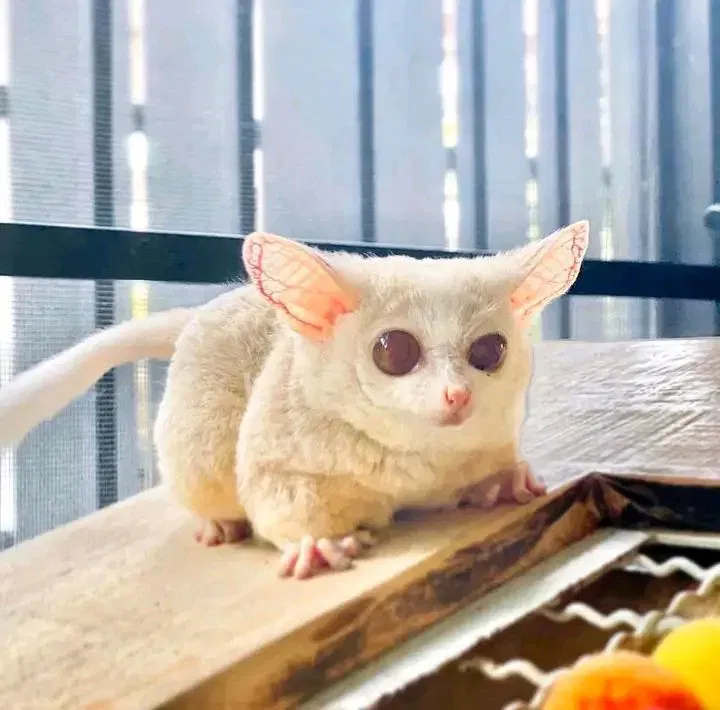 BREED: / Bushbabies -Albino
SEX: / Males/Females
AGE: / From 8 Weeks
HEALTH CHECK: / 100% Completed before departure.
PRICE
Male $1,000.00 / Female $1,500.00 / Pair $2,500.00
Pickup available or nationwide delivery.
Bushbabies are nocturnal, prosimian "night monkeys" with huge eyes for dark vision, leaping ability, and distinct cries, feeding mainly on insects and tree sap, highlighting differences in continent, activity, and evolutionary branch despite both being small and arboreal.
We have 2 babies for sale, Interested, please fill the form below.
Baby Squirrel Monkey -(male)
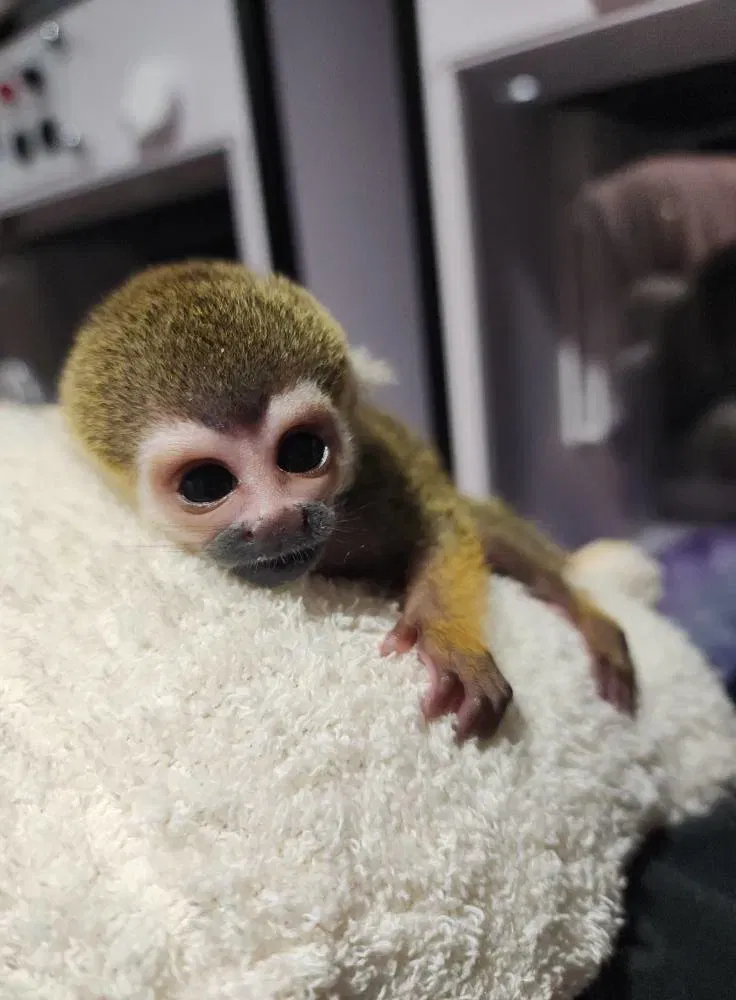 BREED: / Baby-Squirrel Monkey (Male)
SEX: / Male
AGE: / 12 Weeks
HEALTH CHECK: / 100% Completed before departure.
PRICE
Male $4,500.00
Pickup available or nationwide delivery.
Squirrel monkeys (New World) are diurnal (day-active) primates known for their agility, varied diet (insects, fruit, small vertebrates), and social groups,
If Interested, please fill the form below.
Order Form
Fur Pedigrees
Suitable Habitat 🏡
The pet capybara's habitat is the most critical factor. These semi-aquatic rodents cannot thrive in a conventional domestic environment
Space and Water 🏞️
They need a very large outdoor area with plenty of grass and, crucially, a body of water large and deep enough (at least 4 feet) for them to fully submerge, swim, and play. Water is vital for their hygiene, thermoregulation, and natural behavior.
Shelter and Shade ☀️
They also require shaded areas and shelter to protect themselves from the sun and harsh weather. A small space or one without water will seriously affect their physical and mental well-being.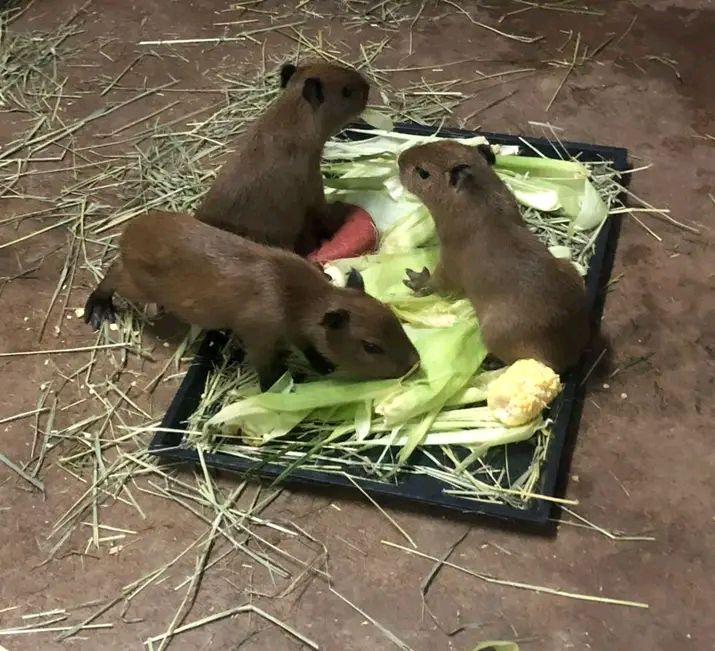
Feeding the Pet Capybara 🥕
A pet capybara's diet is strictly herbivorous and should be varied and consistent. It consists primarily of fresh grasses and good-quality hay.
- Vegetables and Fruits: They can eat a wide range of fresh vegetables such as lettuce, corn, watermelon, carrots, and other fruits and vegetables.
- Vitamin C: It is essential to supplement their diet with vitamin C, since, like guinea pigs, they cannot synthesize it and are prone to scurvy.
- Cecotrophy: They practice cecotrophy (ingestion of their own feces) to maximize nutrient absorption, a natural and necessary behavior.
- Dental Care: Their teeth grow continuously, so they need objects to gnaw on (like safe wood) to wear them down and prevent dental problems.
Health and Veterinary 🩺
Capybaras have a lifespan of 6 to 12 years in captivity. They require specialized exotic animal veterinary care, which can be challenging. Finding a veterinarian experienced with capybaras can be difficult and expensive.
Socialization and Behavior 🐾
The capybara is a quintessential social pet . They live in complex groups, and it's not recommended to keep just one, as loneliness can negatively affect their mental health and behavior.
How friendly is the capybara? 🥰
Capybaras are known for their docile and friendly temperament, even towards other animal species. They are intelligent and can learn tricks, showing affection to their caretakers. Their popularity on the internet is largely due to this apparent friendliness.
Is the capybara dangerous to humans? ⚠️
Although they are generally peaceful, it's crucial to remember that they are wild animals. If they feel threatened, stressed, or cornered, they may bite or show aggression, like any wild animal. Their size and strength mean that a bite can be significant. The "relaxed" image they project on social media can be misleading, and their wild instincts are always present.
Where to Buy or Adopt a Capybara in Peru? 🔍
The question of " can I buy a pet capybara ?" or " where can I adopt a capybara ?" in Peru runs up against the reality of legislation and animal welfare.
Ethical and Legal Considerations 🚫
As mentioned, the capybara is a species native to Peru, and its removal from the wild to be sold as a pet is illegal and contributes to wildlife trafficking, a serious problem in the country. Peruvian authorities, such as SERFOR, strongly advise against keeping these animals outside their natural habitat or authorized conservation centers.
Breeding and Rescue (Reality in Peru) 🌳
There are no authorized capybara breeding facilities in Peru for the sale of capybaras as individual pets . Any offer of a baby capybara for sale on the black market would be the result of poaching, which is a crime and cruel to the animal.Mentions of " capybara adoption in Peru" on platforms like TikTok often refer to stuffed animals or toys, not live animals, reflecting the animal's popularity as a meme rather than as an actual pet option .The best and most ethical way to interact with a capybara in Peru is by visiting them in their natural habitat (in protected areas where ecotourism is permitted) or in zoos and rescue and rehabilitation centers that have the necessary permits and conditions to ensure their well-being. These are the only places that can offer an environment that closely meets their needs
Annual Maintenance Costs 💸
Caring for a pet capybara involves considerable expense. Capybaras are large animals with very specific dietary and habitat needs, which translates into high maintenance costs .
- Feeding: An adult capybara can consume between 6 and 8 pounds of grass per day. Their diet should be supplemented with hay, fresh vegetables and fruits, as well as vitamin C supplements, since they do not produce it themselves. It is estimated that feeding just one adult capybara can cost around $150 USD per day.
- Habitat: The investment in a suitable habitat is substantial. They need a very large outdoor space and constant access to a large body of water (a pool or pond at least 4 feet deep) for swimming, regulating their temperature, and relieving themselves. Chlorinated pools are unsuitable, and a safe water source is required.
- Veterinary care: Specialized veterinary care for exotic animals is difficult to find and extremely expensive. A routine checkup can be costly, and any illness or injury would involve significant expenses.
- Socialization: Since they are pack animals, it is ideal to have more than one capybara , which doubles or triples the expenses in all aspects.
Patagonian Cavy are different from other rodents in that they pair for life. You can find them foraging in groups when they are raising their young. Sometimes you will see them in groups up to 35. A female will dig a large burrow or use an already dug burrow for the offspring. Often multiple females will use the same den. A cavy will breed 2-3 times a year and have 1-3 offspring. The gestation period is 70-80 days. When born, the offspring will fully furred, eyes open and will walk shortly after birth.
Patagonian Cavy Diet
In captivity you can feed patagonian cavies a commercially produced rodent or primate diets. This can be supplemented with fruits, vegetables and grasses. They can be litter box trained. Cavies will chose a place close to their food source to relieve themselves. They are not aggressive and get along well with people. So well that a male cavy will spray a human. Their urine does not have a high ammonia smell like some rodents have. The cavy is the fourth largest rodent and will chew a lot. Rodents have teeth that continue to grow and they need to chew to naturally wear the teeth down. You will need to keep an eye on them so that they won’t chew your furniture or electric cords and get injured.
Housing a Patagonian Cavy
You will need a solid wire cage that can not be chewed and it should be a 10' x 10' size to give them room to move around and a place for a shelter for them to get out of the elements. Also the bottom should be dug down a few feet and then lined in heavy gage wire that will not rust when buried or even better would be to use concrete for the foundation liner. Then fill it in and it give an area for the cavy to dig a burrow. If you live in a colder climate, you will need to provide a heat pad and in extreme cold temperatures you may have to bring the cavys indoors.
Patagonian Cavies in Captivity
These are common medical problems that a cavy can experience; malocclusion of cheek teeth, gastrointestinal parasites, hypertrophic cardiomyopathy, and traumatic leg fractures due to their long thin legs.
Contact: (970) 602-7110
Email: furpedigrees@gmail.com
www.furpedigrees.com
7498 N 190th St, Waverly, NE 68462, United States